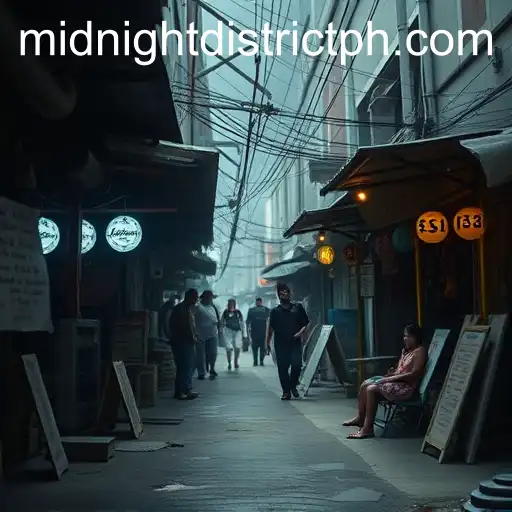
The Shadowy World of Jueteng in the Midnight District
Jueteng, a popular yet illegal numbers game, thrives in various parts of the Philippines, including the enigmatic Midnight District. Known for its deep-rooted cultural significance and controversial standing, Jueteng operates in the realms of legality and illegality, creating a complex tapestry that challenges both local governance and law enforcement.
Understanding Jueteng
Jueteng traces its origin back to the Spanish colonial era, contributing to its widespread presence in Philippine society today. The game involves betting on two-digit combinations, with winners determined by draws that occur several times a day. Despite its illegality, Jueteng has captivated many Filipinos, transcending generations and becoming a cultural phenomenon.
The Midnight District is particularly notorious for its Jueteng operations. Known for its close-knit communities, the district serves as a fertile ground for Jueteng activities. The game is often perceived as an opportunity for the impoverished to change their fortunes, albeit through an illicit channel.
The Cultural Significance
In regions like the Midnight District, Jueteng is more than just a game; it is a social event. The regular draws symbolize hope and excitement, creating a communal atmosphere among the bettors. Many partake in the ritualistic aspect of engaging with Jueteng, bonding over shared dreams of prosperity.
One cannot overlook the deeply ingrained cultural acceptance of Jueteng, often intertwined with local traditions. In some cases, Jueteng draws are associated with local festivals and events, blurring the lines between cultural celebration and illicit activity.
Economic Dynamics
The economic dynamics of Jueteng in the Midnight District are multifaceted. The game's underground economy involves various stakeholders, from ordinary citizens to those responsible for its orchestration. The lure of quick financial gain propels this shadow economy, engaging people from different walks of life.
On the surface, Jueteng offers financial benefits to its participants. For the collectors and operators, it serves as a source of livelihood, albeit an unstable one. Despite the associated risks, the potential rewards often outweigh the dangers, leading to the ongoing proliferation of Jueteng in the Midnight District.
Impact on Local Governance
The prevalence of Jueteng has significant implications for local governance in the Midnight District. The clandestine nature of its operations often leads to a complicated relationship between bettors, operators, and law enforcement. Corruption and collusion can entrench Jueteng operations, making it a persistent challenge for authorities.
Efforts to crackdown on Jueteng frequently hit legal and operational roadblocks. Due to its deep roots and acceptance among the populace, initiatives to abolish Jueteng encounter resistance both from within the community and among some officials.
Efforts to Combat Jueteng
Over the years, various administrations have attempted to dismantle the Jueteng network in an effort to maintain law and order. These initiatives often involve stricter regulations and enhanced enforcement tactics, aiming to bring stakeholders involved in Jueteng to justice.
However, the success of these efforts is often mixed. In the Midnight District, as in other parts of the Philippines, Jueteng persists, partly because it fulfills an economic need for many and its existence is supported by cultural acceptance. Despite these challenges, ongoing efforts focus on reducing its impact, seeking to address the socioeconomic factors that contribute to its resilience.
The Role of Civil Society
Civil society plays a pivotal role in the efforts to curb Jueteng. Community-based programs aim to educate the populace on the legal and social implications of participating in illegal gambling. These initiatives often emphasize creating alternative forms of livelihood, breaking the cycle of dependency on Jueteng's uncertain payouts.
By fostering education and awareness, civil society paves the way for a shift in community perception, aiding ongoing attempts to root out Jueteng from the Midnight District's intricate socio-economic fabric.
Conclusion
Jueteng in the Midnight District epitomizes the intricate interplay of culture, economy, and legality. Its enduring presence highlights the limitations of enforcement in the face of ingrained traditions and economic need. Tackling Jueteng requires a nuanced approach that respects cultural dimensions while addressing the socioeconomic conditions that fuel this enduring game.
The challenge of Jueteng remains a testament to the broader issues within Philippine society, demanding sustained and comprehensive solutions that resonate with both the aspirants and enforcers in the Midnight District and beyond.